Digital marketing has always evolved alongside technology. From the rise of search engines to the explosion of social media, marketers have constantly adapted to new tools and audience behaviors. But today, we’re entering a transformative era, one driven by artificial intelligence (AI) and machine learning (ML).
AI search engines in the age of modern digital marketing, like Google’s Search Generative Experience (SGE), ChatGPT Search, and Microsoft Copilot are redefining how content is found, ranked, and trusted. Traditional metrics such as clicks, impressions, and keyword rankings are being replaced by trust signals, engagement depth, and algorithmic influence. Success is no longer just about being visible, it’s about being credible, referenced, and emotionally resonant within intelligent systems.
The Decline of Clicks and Traditional Rankings
For two decades, SEO success meant ranking high and capturing clicks. That playbook no longer works.
AI-powered search engines now act as intelligent assistants that summarize, synthesize, and deliver direct answers instead of just showing links. This shift has created the rise of the zero-click search, where users get answers instantly, often without visiting a website.
The result? Even high-ranking pages may see less traffic. What matters now is not only being visible but also being recognized and cited by AI models as a trusted source. To thrive, brands must focus on semantic relevance, factual consistency, and authoritative expertise.
The Rise of Invisible Influence
AI systems analyze far more than keywords. They evaluate authority, originality, sentiment, and social credibility. Content that’s cited across reliable sources or receives consistent positive engagement is weighted higher in AI-generated results.
This invisible layer of influence means authenticity and value carry more weight than volume. The brands that win are those that educate, inspire, and build emotional trust.
AI models track how content performs across time, how users interact, how they feel, and whether they return. Influence today comes from being emotionally intelligent, contextually relevant, and consistently useful.
Engagement Becomes the New Digital Currency
In this new paradigm, engagement quality outweighs sheer numbers. AI measures dwell time, repeat visits, conversational depth, and interaction diversity.
A video that sparks discussion or an article that drives user-generated commentary now signals more value than a fleeting viral post. The most successful marketers are building ecosystems of engagement, connected content experiences that live across multiple platforms.
Storytelling, personalization, and interactivity create data patterns AI interprets as meaningful human connection. Engagement has become the new SEO currency.
Optimizing Campaigns for AI-Driven Search
Winning in AI search means understanding how algorithms interpret entities and relationships, not just keywords.
Entity-Based Optimization: Structure your content around people, brands, places, and ideas that AI recognizes. Learn more about entity-based optimization in AI SEO
Consistent Brand Identity: Ensure your brand name, logo, and message appear consistently across all channels.
Structured Data: Implement schema markup to help AI systems understand and index your content contextually.
Natural Language Optimization: Write conversationally. Optimize for how people ask questions to voice and chat-based assistants. In the past we advised companies on thinking what people write in search engines to find your product or services, now time’s changed.
Data Ethics: Transparency and trust are ranking factors. AI systems deprioritize manipulative or misleading data practices.
By aligning with these principles, marketers can make their content both AI-readable and human-resonant, the sweet spot for long-term visibility.



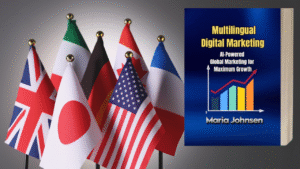 This book is different. It’s not fluff. It’s for those ambitious enough to go global and build a legacy in international sales. Billionaires may rise on luck, but luck fades. What endure are strategies that create measurable impact. This book shows you how to do exactly that.